
Skip to content

Qualitative & Quantitative Research

Research that combines measurable evidence with lived experience.

Understanding complex social, economic and service-related challenges requires more than one source of evidence.

Coreridge uses qualitative, quantitative and ethnographic research methods to develop a rounded understanding of needs, experiences, service provision and outcomes.

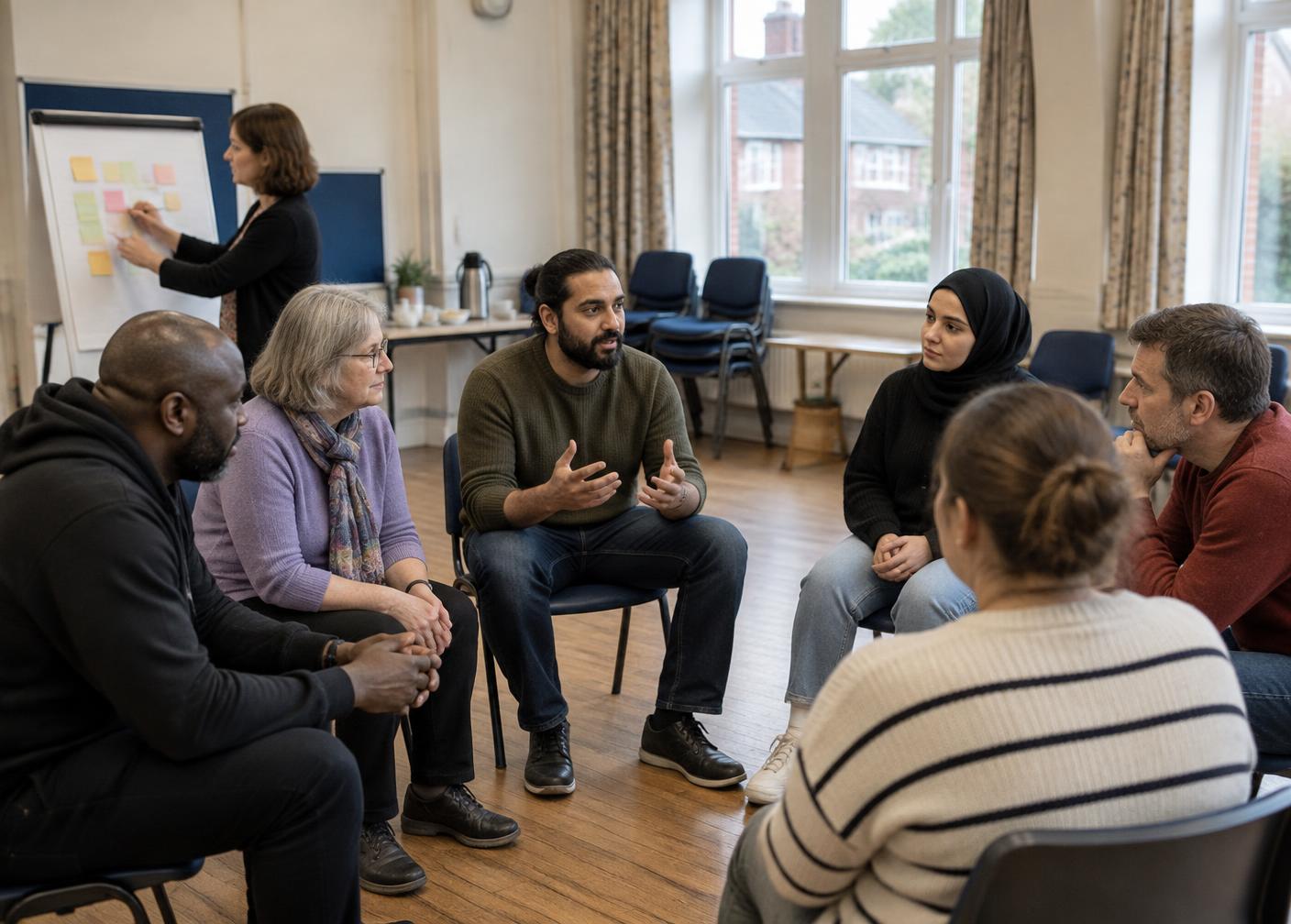
A facilitated focus group of residents in a community hall with a researcher recording themes on a flip chart

Qualitative research

Understanding why

Qualitative methods help explore experiences, perceptions, barriers, motivations and the reasons behind observed patterns.

  • In-depth and key informant interviews
  • Focus groups
  • Ethnographic research studies
  • Community and stakeholder engagement
  • Lived-experience research
  • Thematic analysis

Quantitative research

Measuring how much and where

Quantitative methods help measure the scale, distribution and characteristics of identified needs.

  • Survey design and delivery
  • Household, resident and service-user surveys
  • Statistical analysis
  • Trend and geographic analysis
  • Forecasting and projections
  • Robust, validated datasets

Ethnographic research

Ethnographic research studies: seeing how people actually live and use services

Ethnographic research means spending time with people in their own settings — homes, communities, workplaces and services — to understand routines, behaviour and context that surveys and one-off interviews can miss. It is especially valuable when a service is not working as intended and the reasons are unclear.

When it is the right approach

  • Services are not used as expected and the reasons are unclear
  • What people report and what happens in practice may differ
  • Communities are seldom heard through conventional consultation

Questions it answers

  • How do people actually experience this service day to day?
  • Where does the process break down for them?
  • What would make the biggest practical difference?

What you receive

  • Ethnographic findings report
  • Anonymised case narratives and journey maps
  • Practical service design recommendations

Every ethnographic study is delivered under an agreed ethics, consent and safeguarding protocol. See an example project, or request our full approach.

View the ethnographic project →

Mixed-method research

Triangulation strengthens the evidence base

Combining sources lets findings be tested against each other. Where data and lived experience agree, confidence grows; where they differ, the difference itself is insight. The result is more balanced, defensible recommendations.

Quantitative Evidence

Scale, trends and distribution

Qualitative Evidence

Experiences, barriers and reasons

Service Intelligence

Provision, activity and pathways

A More Complete Understanding of Need

Example

A domestic abuse needs assessment may combine population and service data, referral trends, service mapping, interviews with professionals and carefully designed engagement with people with lived experience.

Let's talk about the decision you need to make.

Tell us what you need to understand. We will set out how we would approach it, what you would receive and how long it would take — in a consultation or a tailored proposal.